
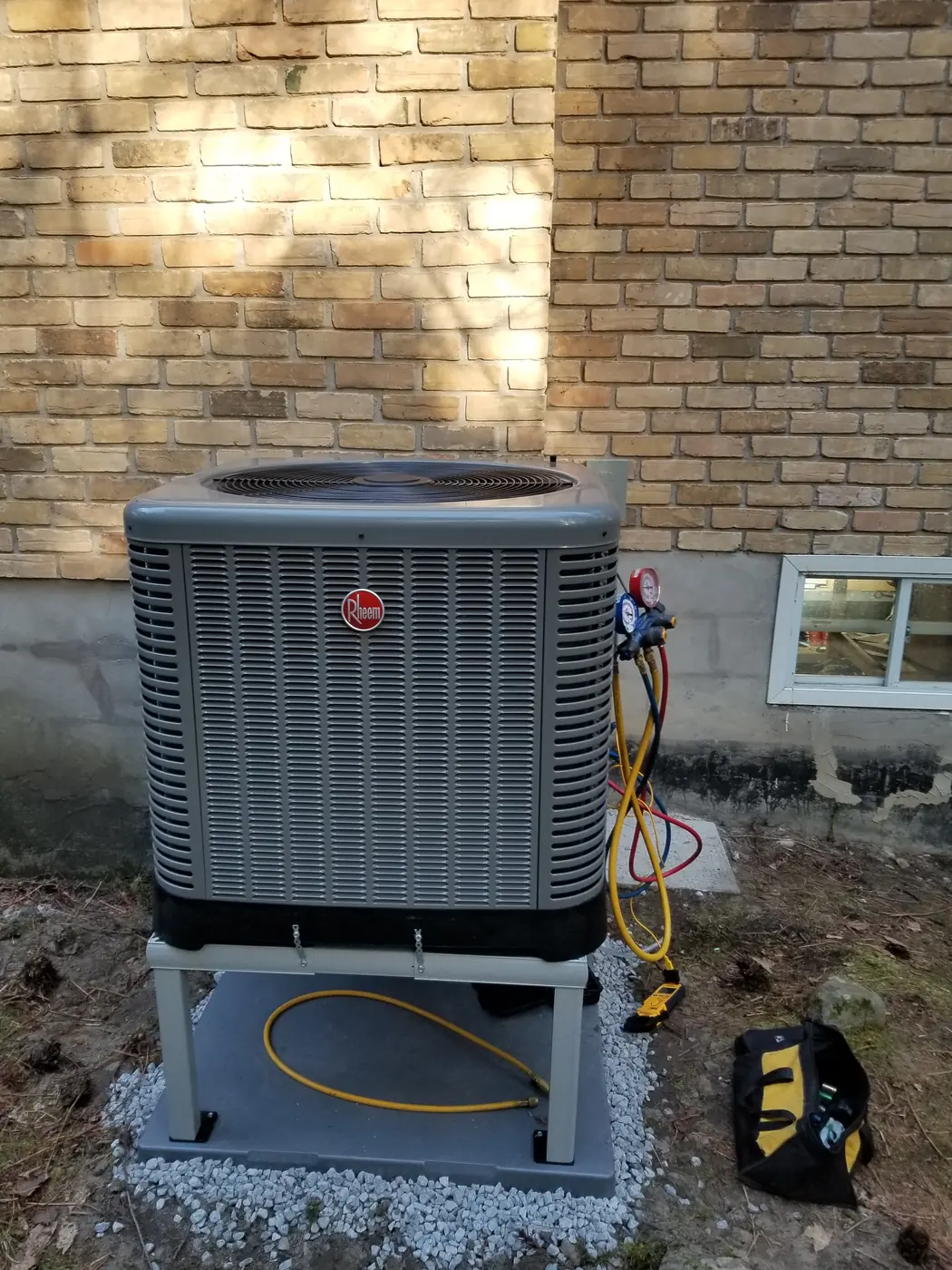
The current advertised water-heater rebate is $500.
The HRS assessment route advertises $500 for an eligible heat-pump water heater. It requires an initial home energy assessment before work, at least two qualifying upgrades and a follow-up assessment. The program also advertises a $600 assessment rebate after successful completion.
That makes a water-heater-only replacement a different purchase decision from a planned renovation bundle. Before booking an assessment, explain the other work you genuinely intend to complete. Ask the approved service organization whether the scope forms a qualifying combination and what the assessment visits will cost.
We recommend treating the expected rebate as one line in a full project budget. Include the water heater, installation, any electrical or plumbing changes, the other upgrade and assessment costs. Buying extra work solely to reach a rebate can make the project more expensive than the original need justified.
Check the assessment deadlines before booking work.
The currently linked assessment requirements and terms specify a follow-up assessment within 180 days of the initial assessment or by December 31, 2026, whichever comes first. They also require the follow-up assessment to be scheduled and entered in the program tracking system by November 30, 2026.
Confirm the rules applicable to your file with the service organization before committing to equipment. The contractor’s available installation date and the advisor’s available follow-up appointment both matter. Ask who is responsible for recording the appointment, and retain the confirmation rather than relying on a verbal booking.
Do this review even if you have already completed the initial visit. Write down its date, your required completion date and the booking requirement. A timeline attached to a quote is easier to act on than a deadline discovered after the equipment arrives.
Match the old water heater to the correct rule.
The detailed assessment requirements distinguish the existing domestic water heater by the home’s heating category. For natural-gas-heated homes, they specify replacing a natural-gas water heater. For oil-, propane-, wood- or electrically heated homes, they specify replacing an oil, propane or electric water heater.
The new unit must meet the stated product and professional-installation requirements, including the NRCan eligible-products listing. That list may display a Canada Greener Homes Grant amount; it is not the HRS water-heater rebate amount.
Give the advisor and installer the current tank’s model number, fuel and ownership arrangement. Ask them to confirm the replacement against your file. A photo of an efficient new water heater on a retailer’s website does not establish that your particular change qualifies.
Choose the second upgrade for a reason.
Use the assessment report to identify work that solves a real issue. If an insulation improvement is recommended and already fits your renovation plan, it may be a sensible project to evaluate alongside the water heater. The report can help you ask contractors for a defined scope.
Do not count purchase quantities as separate upgrade categories. HRS uses its own qualified-measure definitions. Ask the advisor to name the measures in your bundle and confirm the minimum requirements for each. This is more useful than counting invoices or assuming every product creates another qualifying upgrade.
A space-heating heat pump uses a separate HRS stream, so do not assume it supplies the second measure needed for a water-heater bundle. Have the advisor confirm the combination before installation.
Compare at least two practical project scopes: the replacement you need now and the eligible renovation bundle you are considering. Seeing both total costs helps you decide whether the additional work is worthwhile on its own.
Ask the installer to explain where the tank will work.
The installation review should cover the exact proposed model, its required clearances, the available room, condensate handling, electrical connection and service access. Request the model-specific installation instructions and ask the contractor to explain how the proposed location follows them.
Discuss your household’s hot-water pattern as well. Consecutive showers, a large bathtub and the timing of laundry can influence the equipment discussion. Ask why the proposed tank and operating mode fit that pattern, and how the controls should be used when demand changes.
If the existing tank is rented, obtain the current provider’s written removal and agreement terms before approving replacement. Include any confirmed charges in the comparison. The rebate calculation does not resolve an existing rental contract.
These questions let you assess the actual installation rather than the appliance headline. A complete answer should connect the tank selection to the home, daily use and a clear service plan.
Start with the approved assessment route.
Keep the equipment quote, assessment confirmations, product details and other upgrade scope together. Before work starts, review the file with the advisor and make sure every contractor understands the sequence and completion timeline.
We provide this guide to help Ontario homeowners ask better questions before buying. For the assessment route, use the program’s approved service organizations. For an Ottawa-area installation discussion, AirZone can review the water-heating options and the HVAC portion of your project.
Questions homeowners ask.
Is the water-heater rebate the same as a space-heating rebate?
No. HRS currently advertises $500 for an eligible heat-pump water heater through its assessment stream. Space-heating heat pumps follow different rules.
Can I install the water heater and book the assessment later?
No. The assessment-stream initial visit must happen before work. Confirm the bundle and current deadlines with the approved service organization.
Sources behind this article.
PUT THE GUIDANCE TO WORK
Find the next step for your home.
Check the Ontario program route first, then use the buying tools to organize your questions. Ottawa-area homeowners can choose an AirZone assessment when they are ready.