
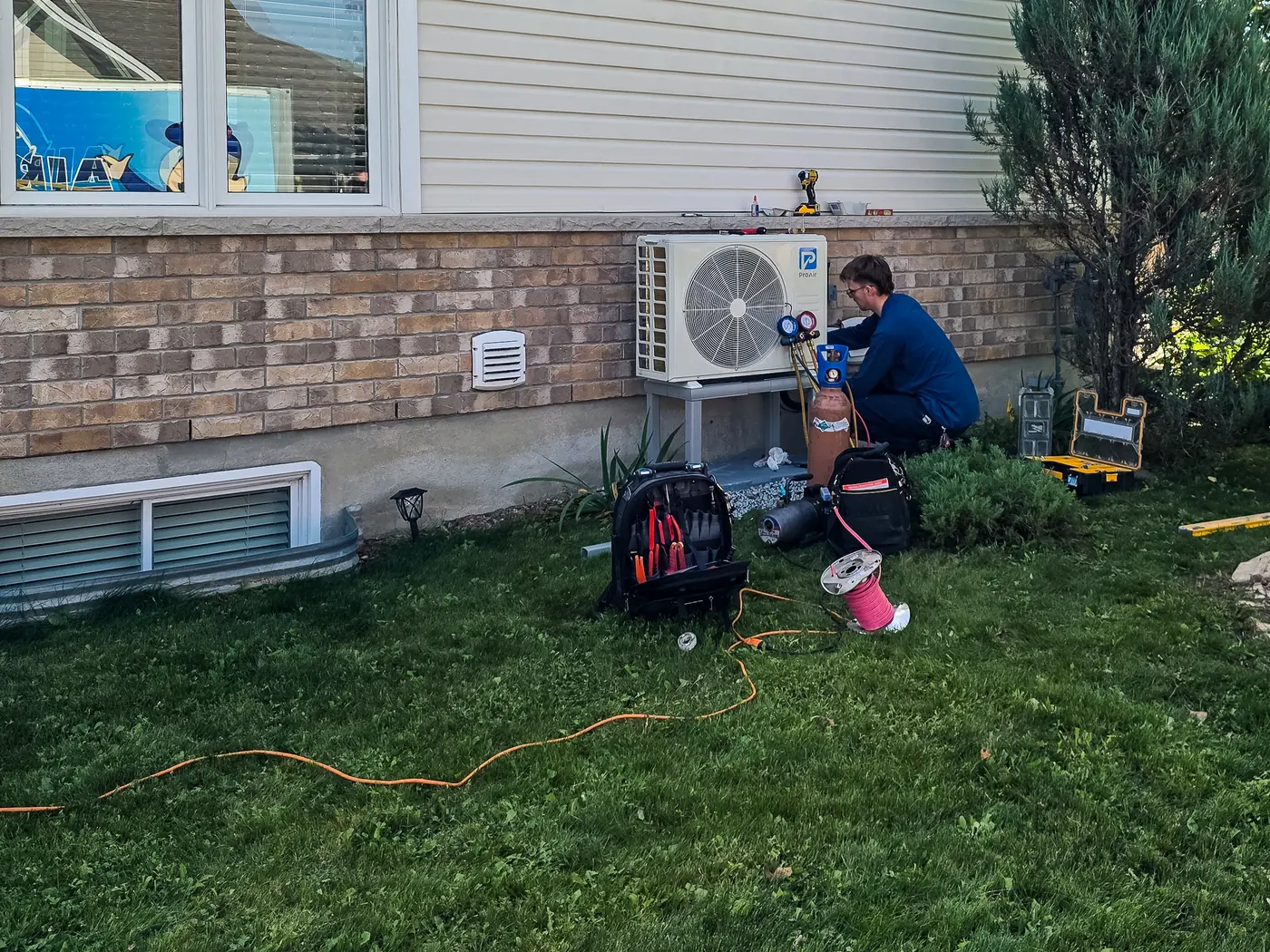
The quote names a brand but cannot identify the system.
A brand name and a capacity label are not enough to identify what will be installed. Ask for the full outdoor model number, indoor unit or coil, air handler or retained furnace, and proposed controls. If a model is still being selected, have the proposal say that clearly and explain when you will approve the final selection.
For a rebate project, ask the participating contractor to show how the exact equipment meets the program requirements. Home Renovation Savings uses active qualified products and complete equipment requirements. A statement that “this brand qualifies” does not establish the status of the system on your quote.
Obtain a written equipment schedule before installation. If availability changes, request the replacement information and its effect on performance, price and approval.
The rebate is treated as guaranteed money.
Question a proposal that subtracts an advertised maximum without explaining your heating-source category, equipment arrangement or approval. Also question instructions to install first and submit the rebate paperwork afterward. Home Renovation Savings makes pre-installation approval mandatory; its final rebate process also includes a post-installation review.
Ask who submits the application, how you will receive confirmation and what happens if the proposed system changes. Keep the gross contract price and expected rebate separate. That gives you a clear record of what you owe the installer and what remains subject to program approval.
If the promised combination involves several programs, request administrator confirmation. An installer can help with the process, but the applicable program rules determine the funding.
A complete-looking total has unfinished installation items.
Where will the outdoor unit sit? How will the indoor equipment connect? What support, electrical circuit, wiring and drainage work is included? Who removes the old equipment? Which items are allowances or exclusions?
A home visit may reveal work that was not apparent when the initial estimate was prepared. That is understandable. The concern is leaving the uncertainty unresolved while asking you to accept a final price. Request an updated scope, a clearly identified allowance or an agreed process for approving added work.
Walk the proposed installation route with the contractor. Resolve access, appearance and disruption questions before installation day.
“We always install this size” replaces a design explanation.
Natural Resources Canada recommends selecting a heat pump using the home’s heating and cooling loads, climate and installation objectives. A recommendation based only on the old outdoor unit’s label or a quick floor-area rule deserves a follow-up question.
Ask how the heating and cooling needs were assessed and what role the heat pump is expected to play. A system intended to work with a furnace needs a clear changeover plan. An all-electric proposal needs a clear supplementary-heating plan where applicable. The contractor should be able to connect the selected equipment to those decisions.
Ask for a short explanation of what they assessed, what remains in place and why the system meets your goal.
Nobody will identify who handles the electrical work.
In Ontario, hired electrical work must be done by a Licensed Electrical Contractor, and most electrical work requires an ESA notification. Ask which company will perform the electrical scope and who handles the notification and required review. An HVAC company may coordinate that work, but coordination should still identify the responsible electrical contractor.
If a panel or service upgrade is recommended, ask for the assessment supporting it and what is included in the price. If someone dismisses the need to assess the electrical requirements at all, ask how they have confirmed the proposed equipment can be supplied safely.
The agreement changes from what you discussed.
Be alert if a purchase discussion becomes a rental agreement, a service plan is added without explanation, or the payment term differs from the written proposal. Read the documents you are actually being asked to sign. Ask who owns the equipment, which company receives payments and what obligations continue after installation.
Pressure to sign immediately is also a reason to slow down and clarify. Ontario’s official home service contract guidance explains consumer rights and restrictions around in-home sales. If you have concerns about an agreement already signed, contact Consumer Protection Ontario with the contract and the circumstances of the sale.
For a new project, request corrected documents before signing. A verbal assurance that the paperwork is “just standard” does not answer a discrepancy.
A good follow-up should leave a better written quote.
An omission does not prove a contractor is unsuitable. We would judge the response: does the company provide the missing information, revise the documents and explain the implications clearly?
Keep the equipment schedule, proposal, approval and answers together. Compare resolved quotes on the same scope. Pause if important questions remain unanswered.
Our quote guide organizes multiple proposals. This earlier check identifies statements that need evidence before price becomes the deciding factor.
Questions homeowners ask.
Is a short heat pump quote automatically a bad quote?
No. A concise quote can be useful if it identifies the equipment, installation scope, exclusions, payment terms and warranty responsibilities. Ask for missing details before accepting it.
Can a contractor guarantee a Home Renovation Savings rebate?
The program administrator’s approvals and applicable rules determine eligibility. Request the exact system information, pre-installation approval and explanation of the final application process rather than relying on a sales promise.
What should I do if the equipment changes after approval?
Ask the participating contractor to document the replacement system, explain any change in price or performance and confirm the effect on program approval before installation proceeds.
Sources behind this article.
PUT THE GUIDANCE TO WORK
Find the next step for your home.
Check the Ontario program route first, then use the buying tools to organize your questions. Ottawa-area homeowners can choose an AirZone assessment when they are ready.