
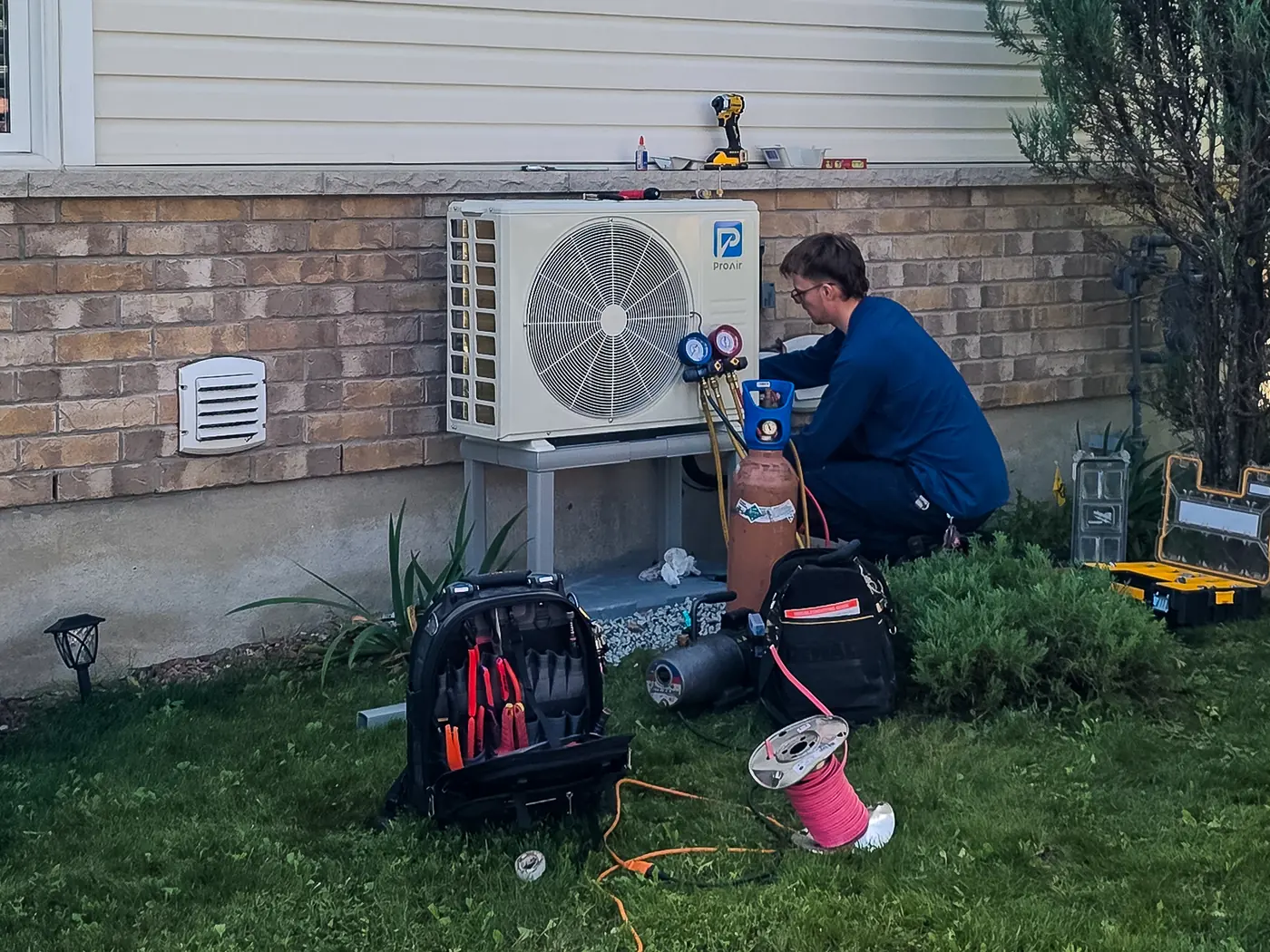
Create one small file before you need a repair
Save the equipment model numbers, operating instructions, installation invoice, warranty documents and installer’s contact information together. Add a photograph of the thermostat or remote and a note identifying any retained furnace, baseboard heaters or other backup equipment.
Ask the installer to demonstrate normal operation and the owner maintenance tasks at handover. That is the best time to find out where filters are located, which parts are intended for owner access and how the system should behave when the seasons change.
Keep the information somewhere another household member can find it. If an error appears while you are away, a clear model number and a photographed fault message are easier to pass to a service company than a description of the cabinet’s colour or brand logo.
Build your filter routine around the actual filter
Natural Resources Canada recommends regular filter care and following the manufacturer’s instructions. The suitable interval and cleaning method depend on the equipment. A central disposable filter and a washable ductless screen need different routines; neither should be treated as a generic part.
Check the manual for access steps, the correct replacement size or type, and whether cleaning is permitted. Follow the prescribed shutdown instructions before any owner task. If a filter cannot be reached safely or the access method is unclear, ask the contractor to show you.
Use a calendar reminder as a prompt to inspect, then adjust your routine to what the manual permits and what you observe. Pets, renovation dust and frequent operation are reasons to discuss filter care with your service provider. A reminder alone does not mean a visibly dirty filter should wait.
For ductless equipment, identify every indoor unit. Cleaning one head’s filter does not cover a second unit upstairs. Record the approved routine for any specialty filter separately, and do not substitute an unapproved product merely because it fits.
Keep the equipment’s air paths available
Walk through the house periodically and look for furnishings, storage or curtains blocking supply outlets, returns or indoor-unit air paths. If a room is uncomfortable, record the conditions and discuss them with the technician rather than improvising changes to the distribution system.
Outside, watch for leaves, growing shrubs, stored patio furniture and snow accumulating in the required space around the unit. Move loose items from the surrounding area without reaching inside the cabinet. The model’s installation clearances continue to matter after the installer leaves.
Coil cleaning, internal cabinet work and adjustments to refrigerant or electrical components belong with a qualified service provider. Do not use a pressure washer, insert tools through the grille or apply a chemical cleaner that the manufacturer has not approved.
Use the seasons as reminders, not a rigid checklist
In spring, look at the surrounding area after snowmelt. Report visible damage, unstable supports or water problems. Before sustained cooling weather, review the operating mode and make sure everyone understands which controls serve each part of the house.
In late summer or fall, plan the professional inspection rather than waiting for the first heating problem. NRCan recommends an annual inspection by a qualified contractor and identifies late summer, before heating season, as a useful service period.
In winter, check the surrounding space after storms and prevent snow clearing from burying the unit. Observe whether frost clears during defrost, and report persistent heavy ice or a heating problem. The defrost article explains what observations help; it does not replace the operating instructions for your equipment.
The schedule should also account for retained heating. A hybrid system may need care for both the heat pump and furnace. Ask who services each component and whether the proposed visit covers the whole installation.
Ask what the service visit actually includes
An appointment called “maintenance” can have different scopes. Request an explanation of the checks appropriate to your model, including airflow, condition of indoor and outdoor components, drainage and control operation. If supplementary heating is present, ask whether its operation is included.
Have the technician document findings and any recommended repair separately from the routine service. Keep the report with the equipment file so a later visit can review what changed. Ask which owner tasks should continue between visits and whether the care plan needs adjustment.
When a new symptom appears, record it early. Useful details include the operating mode, affected rooms, displayed messages, water location and whether the problem repeats. Persistent leakage, a loss of heating or an unusual new sound warrants a service conversation; a burning smell or another sign of danger warrants prompt action. Avoid repeated resets that hide the fault message.
If you are in the Ottawa service area, AirZone can help establish a care plan for your installed equipment. Elsewhere in Ontario, choose a contractor familiar with the system and ask for the same clear scope. Our contractor guide explains what to verify before hiring.
Questions homeowners ask.
How often should I clean a heat pump filter?
Follow the manual for the exact filter and system. Inspect as instructed, and ask your contractor how household conditions affect the routine. Washable ductless filters, disposable central filters and specialty filters can have different care requirements.
Is annual professional service still needed if I clean filters?
Filter care covers only part of system upkeep. Natural Resources Canada recommends an annual inspection by a qualified contractor. Confirm the appropriate service scope for the heat pump and any retained heating equipment.
Can I wash the outdoor heat pump with a pressure washer?
Do not pressure-wash the equipment. Follow its owner instructions for permitted external care and have a qualified service provider handle coil cleaning or work inside the cabinet.
Sources behind this article.
PUT THE GUIDANCE TO WORK
Find the next step for your home.
Check the Ontario program route first, then use the buying tools to organize your questions. Ottawa-area homeowners can choose an AirZone assessment when they are ready.